In Content Writing, keywords play a vital role, from structuring an article to improving search engine visibility, targeting the right audience, and guiding the writing focus.
Most of the time, content writers are given only primary keywords by the SEO teams, and they have to figure out further semantic keywords to include in the article.
In this guide, I’ll show you exactly how I do semantic keyword research for my own blogs, with real examples from my site Spinonweb. You’ll also see screenshots from Google Search Console so you can copy the same process.
TL;DR
- Semantic keyword research helps content writers find related topics, questions, and concepts around their main keyword.
- It is not about adding more keywords; it is about creating complete content that covers a topic naturally.
- You can find semantic keywords by analyzing Google results, competitors, Google Search Console, SEO tools, and AI tools.
- Use these keywords in your headings, sections, and examples to make your content more useful and reader-focused.
- The goal is simple: write content that answers readers’ questions and helps search engines understand the topic better.
What Is Semantic Keyword Research?
Semantic Keyword research is not finding a single word related to your primary query and using it multiple times in a blog as content writers were doing before.
Instead of this, you research the concepts of related terms for the article which you are writing.
For Example: I am writing an article: Semantic Keyword Research for Content Writing, then what would be the semantic keyword for this?
“How to do semantic keyword research for SEO content”? Or “What are semantic keywords in content writing”?
Obviously not!
Those are search queries, not semantic keywords.
Here’s the difference to understand:
- Semantic keywords = related words or phrases that are conceptually connected to your main keyword.
- Related queries = actual questions or search phrases users type into Google.
So, semantic keywords would be these:
Semantic SEO, Search Intent, Topic Clusters, Keyword Clustering, Entity SEO, Content Optimization, Topical Authority.
These terms are semantic because they describe closely connected concepts within the same knowledge domain. They are not synonyms; they are concepts that naturally belong together.
Along with the above 2 or 3 words semantic keywords, it is possible to have question-based keywords and long-tail keywords like that:
| Semantic Keyword (Concept) | Question Form (Related Query) | Long-Tail Keyword Form |
| Semantic SEO | What is semantic SEO and how does it improve content writing? | Semantic SEO strategies for improving content ranking |
In short: Semantic keywords are called semantic because they are meaningfully related to your primary topic, not because they contain the exact same words.
How I Use This in My Own Articles
For example, when I wrote another article, which is “Why AI Content Needs Quality, Not Quantity”, on Spinonweb, I did not just repeat this line again and again.
I covered related topics like AI-generated content, Google’s Helpful Content system, E-E-A-T, user intent, and human editing.
Because of this, the article started ranking for many related searches, not only the main keyword.In the next sections, I’ll show you what I did in my article and how you can do the same for your articles.
Why Semantic Keyword Research Matters for Content Writing
In the modern AI era, keyword stuffing no longer works.
Today, search engines don’t just look for the exact keyword. They try to understand the topic, context, and what users actually want to know.
This is where semantic keyword research becomes important.
Instead of repeating the same keyword multiple times, you should naturally include related words, phrases, and subtopics that help search engines understand your content.
As a result, your content can rank for multiple relevant searches instead of just one keyword.
A Real Example
Let’s take one of my published blogs on Spinonweb.

Focus Keyword:
Why AI Content Needs Quality, Not Quantity
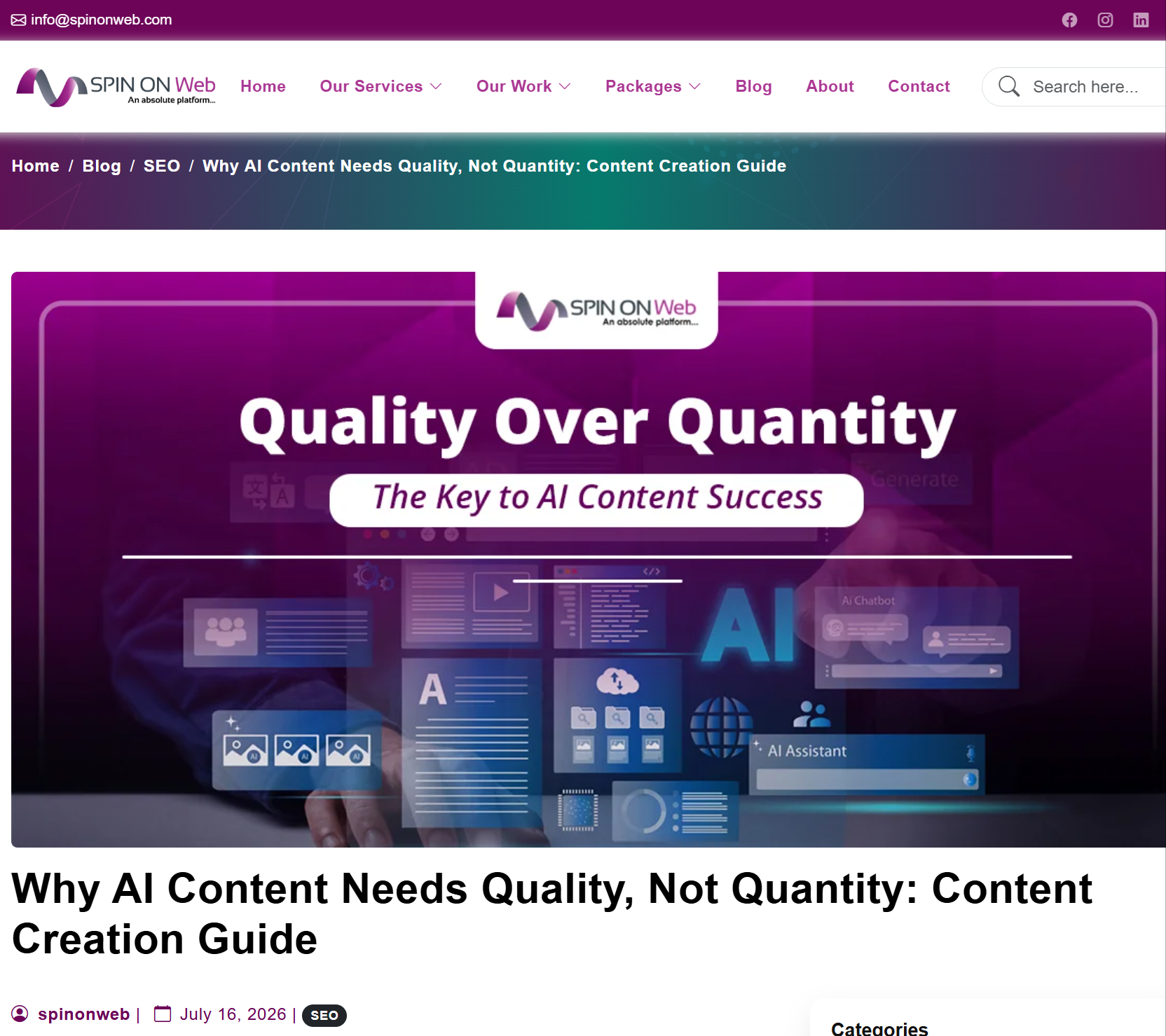
Instead of using this keyword repeatedly throughout the article, I naturally covered several related topics, such as:
- AI-generated content
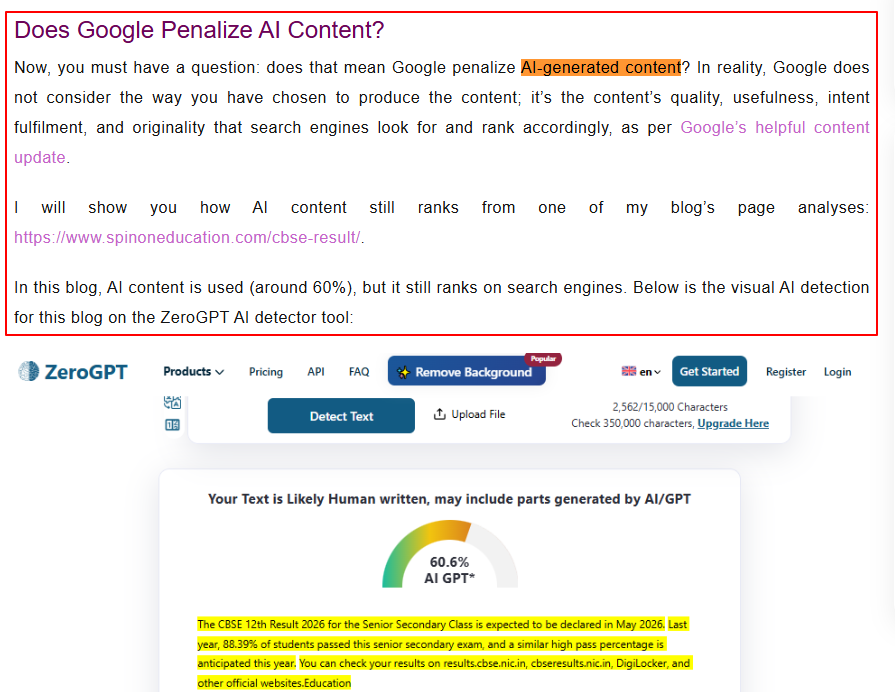
- Google Helpful Content Update

- Content quality
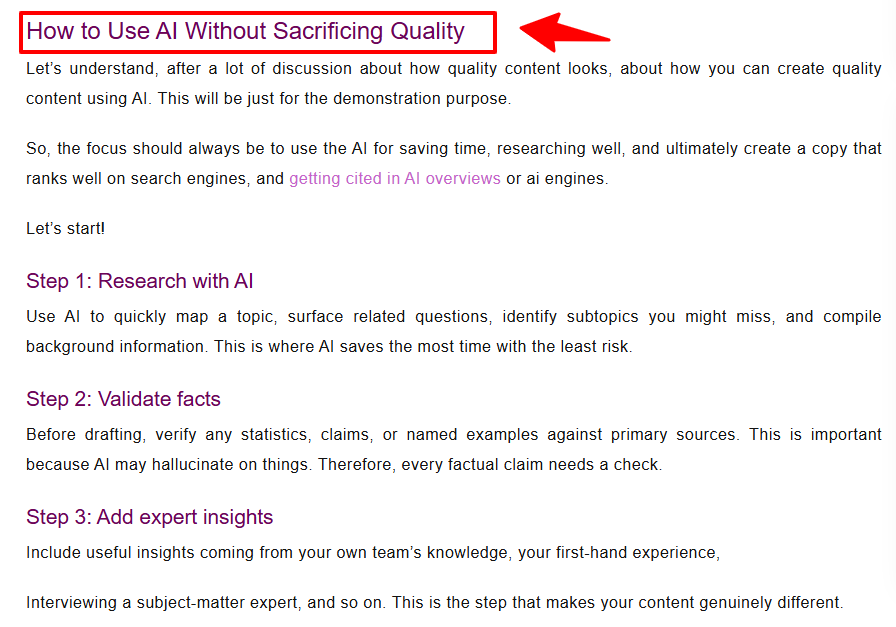
- Content saturation
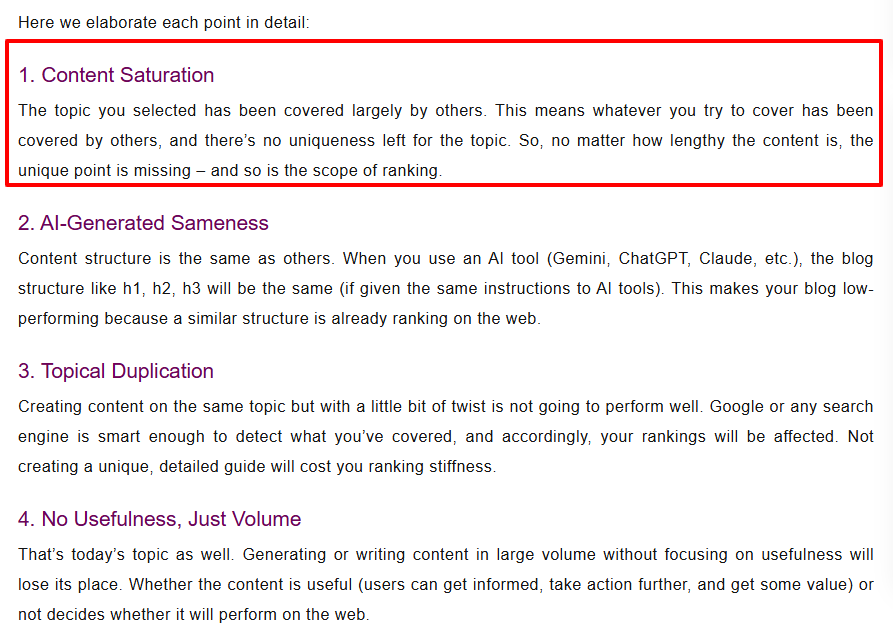
- User intent

- Original research

- E-E-A-T

- First-hand experience

- Helpful visuals

- Expert opinions

- AI content detection
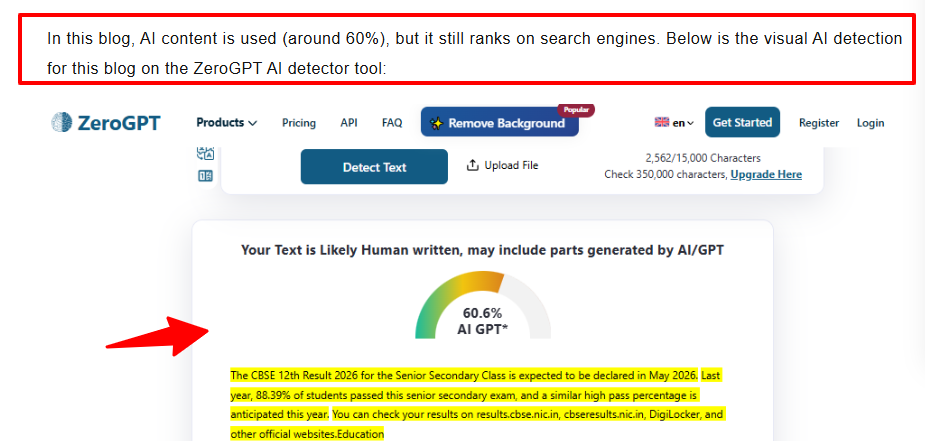
- Human editing

- Scaled content abuse
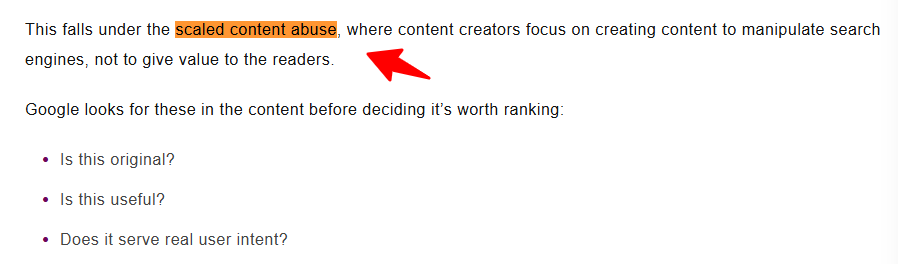
- Content optimization
- SEO content writing
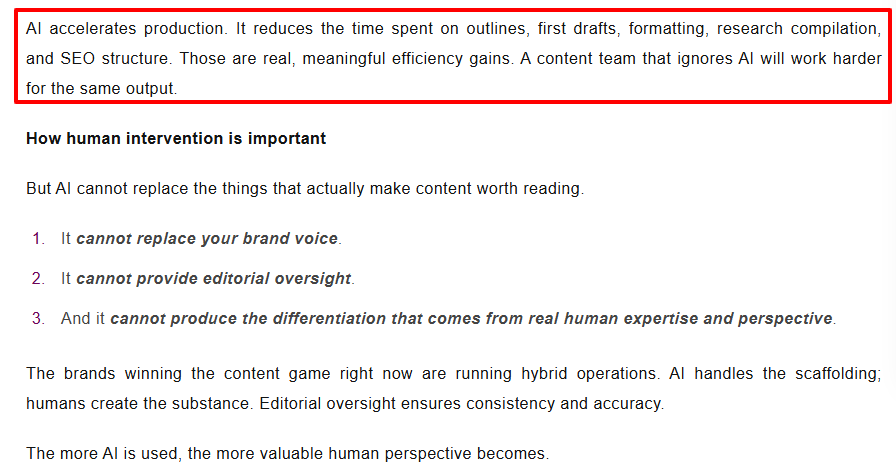
All these terms are semantically related to the main topic.
Because of this, Google can clearly understand that the article is not only about AI content, but also about how to create high-quality AI-assisted content that deserves to rank.
Why does this work for me?
This article was published on July 16, 2026.

See what?
It is ranking on the first page and in the first position with its primary keyword. Also ranking with several semantic keywords, not in the first position, but on the first or second pages.
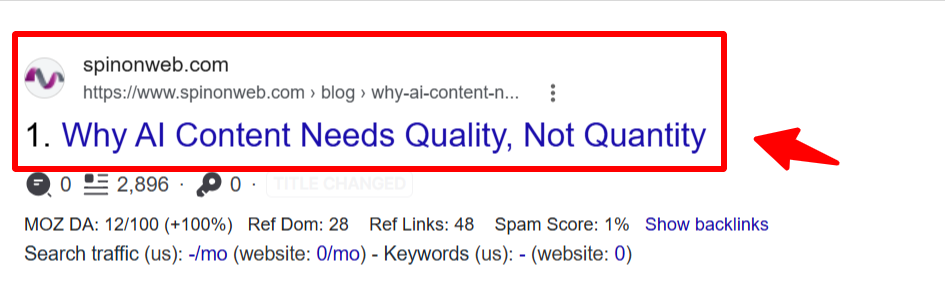
Imagine if I had written the entire article by repeating keyword only:
Why AI Content Needs Quality, Not Quantity
again and again.
The article would feel repetitive, unnatural, and provide very little value.
Instead, by naturally discussing Google’s Helpful Content Update, E-E-A-T, user intent, original research, first-hand experience, AI detection, and content optimization, I covered the topic in depth.
This gives both readers and search engines a much better understanding of the content.
In Simple Words
- Target keyword = The main keyword you want your page to rank for.
- Semantic keywords = Related words and topics that explain your subject more completely.
Think of semantic keywords as supporting topics that help search engines understand the full meaning of your content—not just one keyword.
Proof From My Site (Google Search Console)
Here is how that article performs in Google Search Console for related queries.
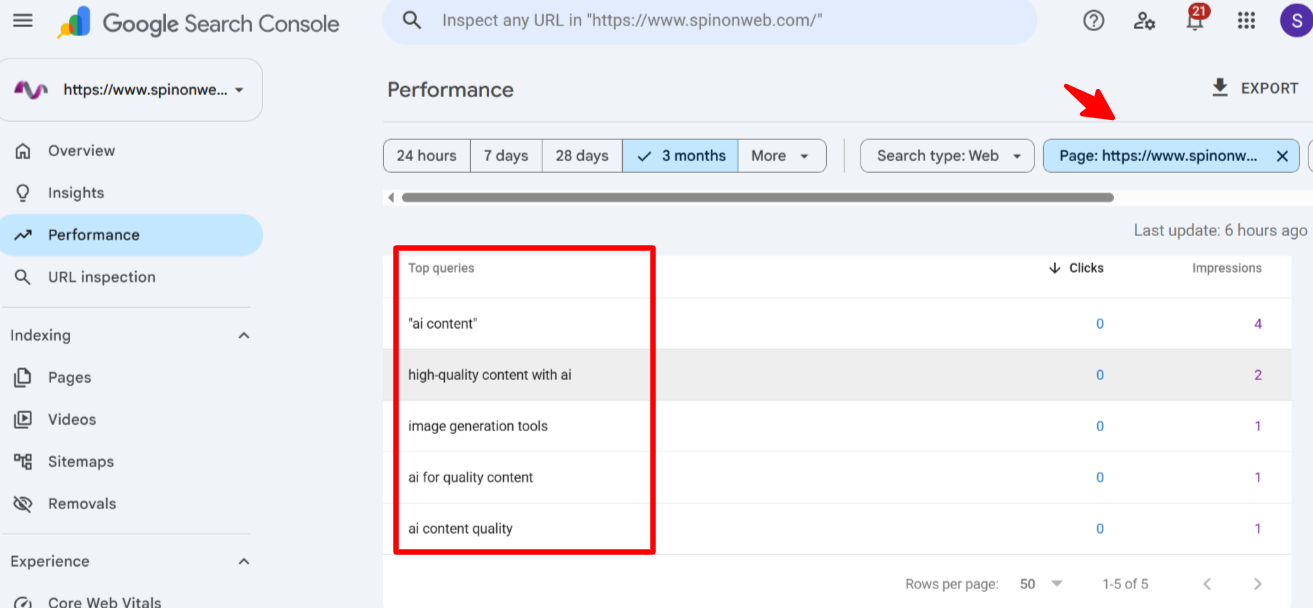
In this screenshot, you can see the article is appearing for many related queries, not only the main keyword. This happens because I covered the topic with semantic keywords and related concepts.
That’s why modern SEO is no longer about repeating keywords. It’s about covering a topic completely.
How to Find Semantic Keywords
Semantic keyword research starts before you begin writing your article.
Instead of thinking about how many keywords you can add, you start thinking about everything a reader would expect to learn from the topic.
For example, if I am writing a blog on “Why AI Content Needs Quality, Not Quantity,” I don’t immediately open a document and start writing.
First, I try to understand the topic from different angles.
I ask myself questions like:
- What information is most important for readers?
- Which concepts are connected to this topic?
- What examples can make the article easier to understand?
- What information would make this guide feel complete?
Once I have the answers, I organise them into different sections of the article.
Only after that do I start writing.
This approach helps me create content that is well-structured, easy to read, and focused on the entire topic instead of just one keyword.
My Process
Here’s the simple process I followed before writing the blog.
1. Start with Your Main Keyword
First, choose your focus keyword.
For my article, the focus keyword was:
Why AI Content Needs Quality, Not Quantity
This became the foundation for the entire article.
2. Search Your Keyword on Google
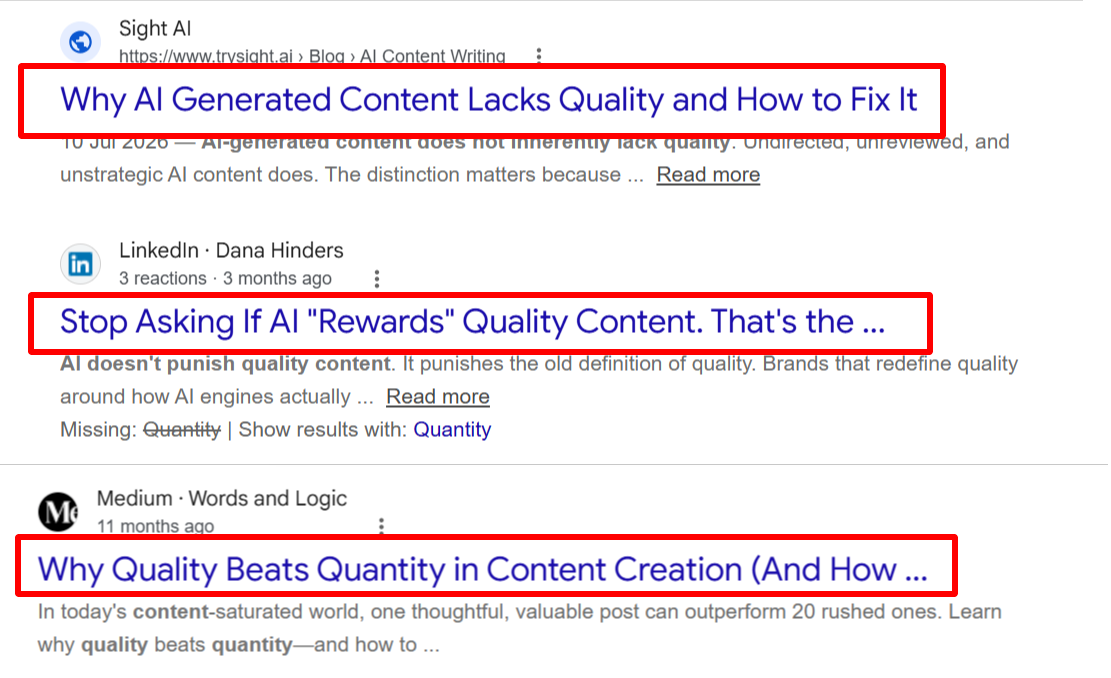
Next, search your keyword on Google and carefully study the results.
Pay attention to:
- The headings used by top-ranking articles
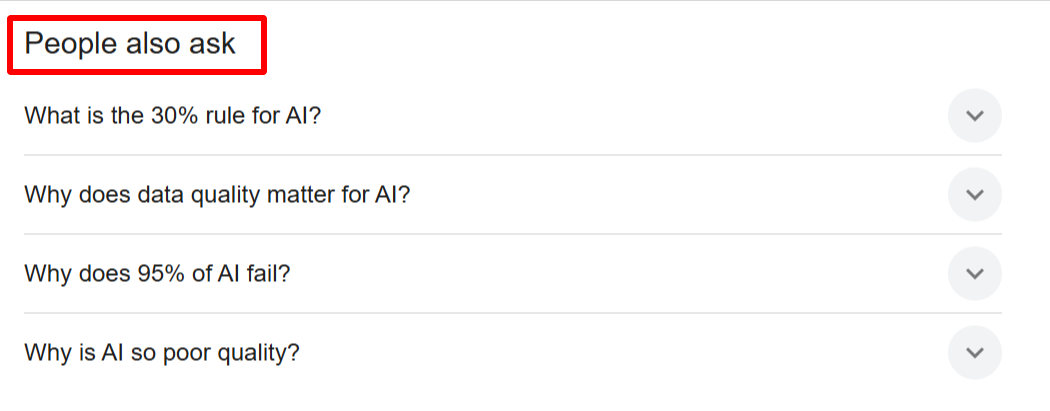
- The People Also Ask section
- Related searches at the bottom of the page
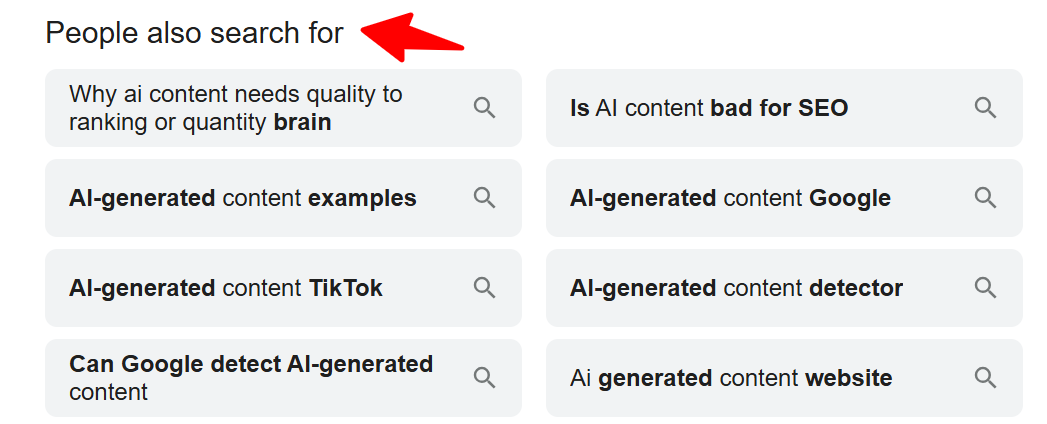
Note: for my chosen primary keyword, I have not found any related search keywords; related searches are shown when I type a related keyword on Google because this was the zero-click ranking keyword.
- Questions users are asking on forums and communities
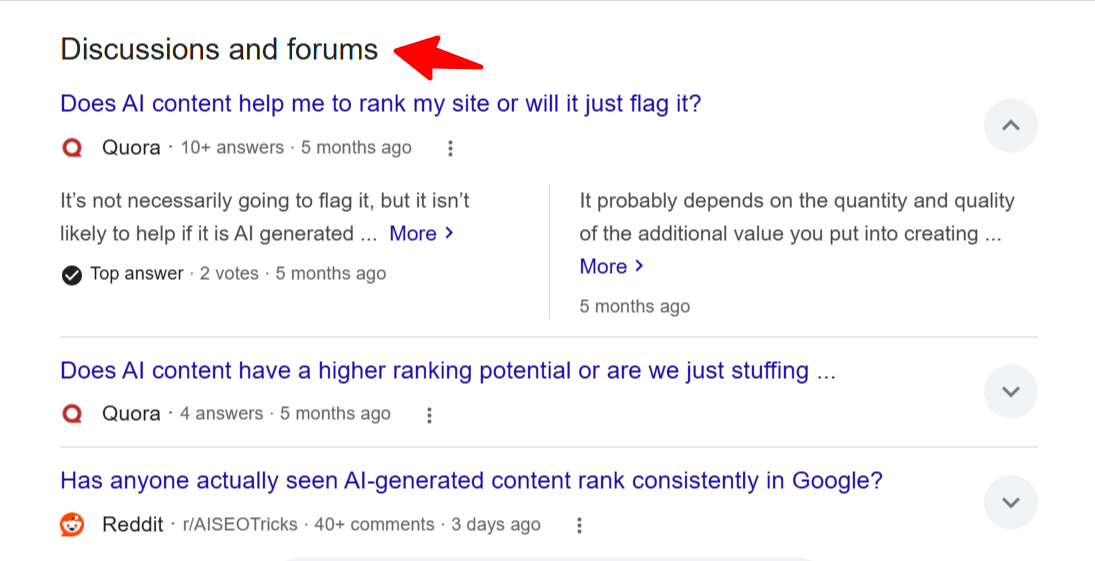
These are excellent sources for finding related topics your audience is interested in.
If you want to go deeper into finding easier opportunities, you can also check my guide on: how to find low competition keywords using Google Search Console.
3. Study Top-Ranking Content
Open the top-ranking articles and look at their structure.
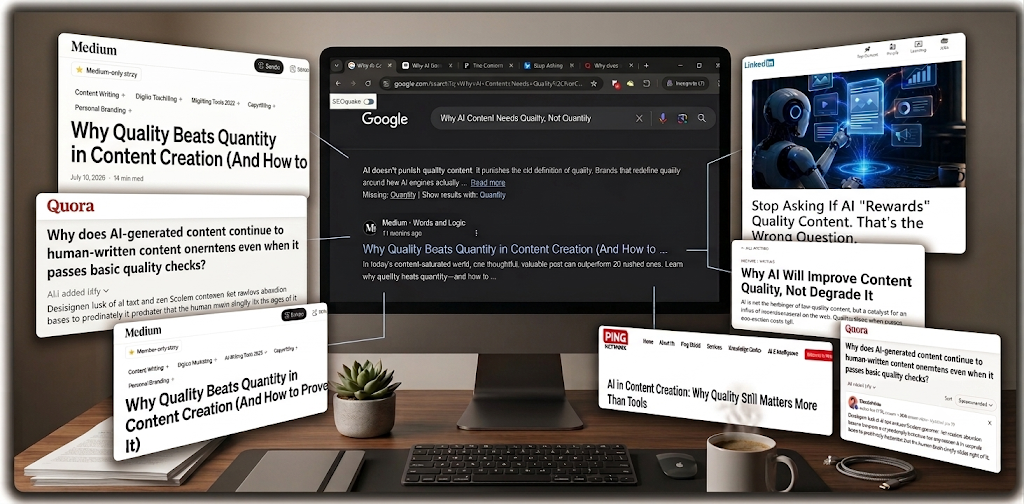
Don’t copy their content.
Instead, notice:
- Which topics they cover
- Which questions they answer
- What important information appears in almost every article
This helps you understand what readers expect while also identifying opportunities to provide something better.
While researching, I opened several top competing articles in separate tabs to compare their content.
4. Use AI to Discover Missing Ideas
AI tools like ChatGPT, Gemini, or Claude can help you brainstorm additional subtopics, common questions, and content ideas.
However, treat AI as a research assistant, not the final writer.
Always review the suggestions and include only the topics that genuinely add value to your article.
5. Build Your Content Around Those Topics
Once you’ve gathered enough ideas, organize them into logical sections.
For my blog, this research helped me include topics like:
- Impact of AI in Content Production
- Does Google Penalize AI Content?
- Why Quantity Alone Doesn’t Work Anymore
- What High-Quality AI Content Actually Looks Like
- How to Use AI Without Sacrificing Quality
- The Future of Content Is Not Human vs. AI
Instead of forcing keywords into the article, I built each section around a real question or topic that readers wanted to understand.
Key Takeaway: Semantic keyword research is less about finding more keywords and more about discovering the topics, questions, and concepts your audience expects to see.
When you cover those naturally, your content becomes more useful for readers and easier for search engines to understand.
Types of Semantic Keywords
Semantic keywords can appear in different forms. They are not limited to similar words or synonyms. They can include related concepts, questions, entities, and supporting topics that help explain a subject in more depth.
While working on my blog “Why AI Content Needs Quality, Not Quantity,” I used different types of semantic keywords to cover the topic completely.
Let’s understand the main types.
1. Topic-Based Keywords
These are keywords that represent the main ideas and concepts connected to your topic.
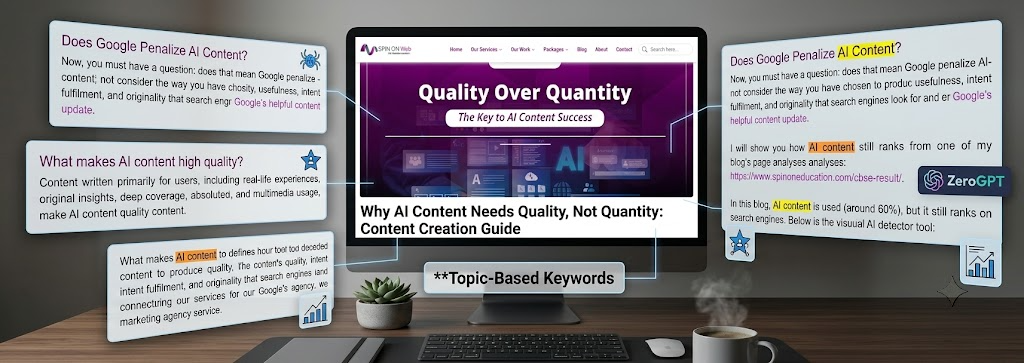
For my article, the main topic was AI content quality. Related topic-based keywords included:
- AI-generated content
- Content quality
- Content optimization
- AI content strategy
- SEO content writing
These topics helped build a complete understanding of how AI affects content creation and ranking.
For a local service page like “plumber in Dādri,” topic-based semantic keywords could include:
- Emergency plumbing services
- Water leakage repair
- Drain cleaning
- Water heater installation
These are not synonyms of “plumber,” but they are closely related services that help Google understand the full topic.
2. Question-Based Keywords
These are the questions users search for when they want to learn more about a topic.
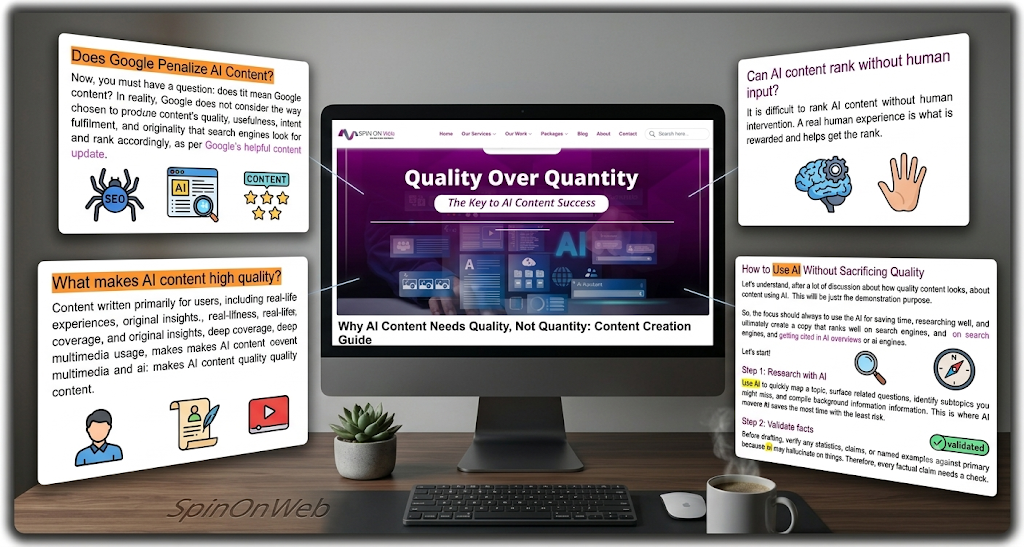
For example, while writing my article, I covered questions like:
- Does Google penalize AI content?
- Can AI content rank on Google?
- What makes AI content high quality?
- How can you use AI without hurting SEO?
Adding these questions makes content more useful because it directly answers what readers want to know.
For an education blog targeting “DU SOL admission process,” question-based semantic keywords could include:
- What documents are required for DU SOL admission?
- How to check DU SOL admission status?
- Is DU SOL valid for government jobs?
These questions naturally belong to the same topic cluster.
3. Entity-Based Keywords
Entities are specific names of people, organizations, tools, updates, or concepts connected to your topic.

In my blog, examples of entity-based keywords include:
- ChatGPT
- Gemini
- Claude
- Google Helpful Content Update
- E-E-A-T
These entities provide more context and help search engines understand the subject being discussed.
For a local services niche, entity-based keywords could include:
- Urban Company
- Justdial
- Google Business Profile
- Trustpilot
These are real entities that users and Google associate with local services.
4. Experience-Based Keywords
These keywords represent real-world experiences, examples, and practical insights related to the topic.
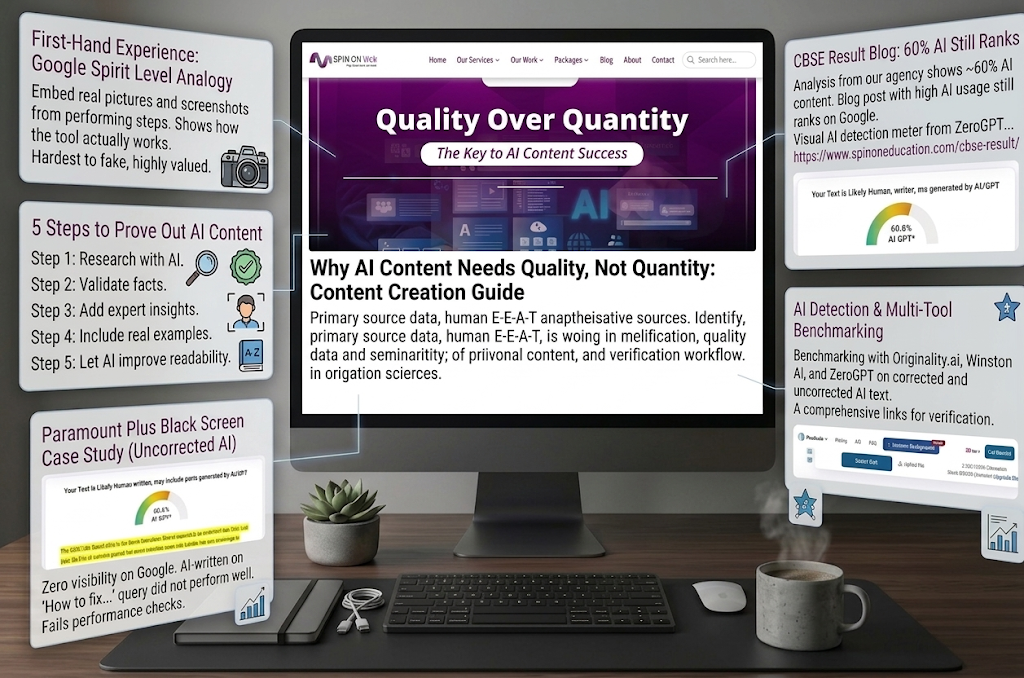
For my article, I included experience-based elements such as:
- Real-life examples
- Case studies
- First-hand experience
- Original research
- Screenshots and practical demonstrations
These elements make the content more trustworthy because they show actual experience instead of only general information.
For a technology troubleshooting blog, experience-based keywords could include:
- Step-by-step screenshots
- Error code logs
- Before/after settings
- Personal testing notes
These show you actually tested the solution, not just copied it.
5. Supporting Detail Keywords
These are smaller concepts that help explain the main topic in more detail.
For example, in my article, supporting keywords included:
- User intent
- Content saturation
- Scaled content abuse
- Helpful visuals
- Human editing
- Expert opinions
These details helped explain not only why AI content quality matters but also how to create better content.
For a local service page, supporting detail keywords could include:
- Pricing transparency
- Warranty on repair
- Response time
- Service area coverage
These details help users decide whether to trust and contact you.
In simple terms, different types of semantic keywords help you cover a topic from different angles:
- Topic keywords explain the main subject.
- Question keywords answer user queries.
- Entity keywords add important names and concepts.
- Experience keywords show real-world knowledge.
- Supporting keywords add depth and detail.
A strong article does not just target one keyword. It combines different types of semantic keywords to create a complete and helpful resource.
How to Use Semantic Keywords in Content Writing
Finding semantic keywords is only the first step. The real challenge is using them properly in your content.
The goal is not to add every related keyword you find. Instead, you should use these keywords naturally to make your content more complete, helpful, and easier to understand.
While writing my blog on “Why AI Content Needs Quality, Not Quantity,” I didn’t force related keywords into the article; I used them where they naturally supported the topic and helped answer readers’ questions.
Here are some practical ways to use semantic keywords in content writing.
1. Use Semantic Keywords to Build Content Structure
Semantic keywords can help you decide which sections your article should include.
For my article, the main keyword was:
Why AI Content Needs Quality, Not Quantity
Instead of only discussing AI content quality, I created sections around related topics such as:
- Does Google Penalize AI Content?
- Why Quantity Alone Doesn’t Work Anymore
- What High-Quality AI Content Actually Looks Like
- How to Use AI Without Sacrificing Quality
These sections helped cover different aspects of the topic and created a more complete resource.
2. Add Related Terms Naturally Inside the Content
Semantic keywords should fit naturally into your writing.
For example, while explaining AI content quality, I naturally included terms like:
- E-E-A-T
- User intent
- Original research
- First-hand experience
- Helpful visuals
- Content optimization
These terms were not added just for SEO. They were included because they helped explain what makes AI content valuable.
3. Use Semantic Keywords in Headings
Headings help both readers and search engines understand your content structure.
Instead of creating headings only around the main keyword, use related concepts that answer important questions.
For example, my headings:
- Does Google Penalize AI Content?
- What High-Quality AI Content Actually Looks Like
- The Future of Content Is Not Human vs. AI
cover different user needs while staying connected to the main topic.
4. Use Semantic Keywords to Answer User Questions
People rarely search for only one thing. They usually have multiple questions in mind.
Someone searching for:
Why AI Content Needs Quality, Not Quantity
may also want to know:
- Can AI content rank on Google?
- How can I improve AI-generated content?
- What makes content trustworthy?
- How does E-E-A-T affect rankings?
By answering these related questions, your content becomes more useful and complete.
5. Avoid Forcing Semantic Keywords
One common mistake is adding related words just because they seem relevant.
For example, adding every AI-related term like machine learning, automation, robotics, algorithms would not make the article better if they do not support the topic.
Every keyword should have a purpose:
Does it help explain the topic?
Does it answer a user’s question?
Does it make the content more useful?
If yes, include it. If not, remove it.
In simple terms, using semantic keywords means:
- Don’t repeat your main keyword again and again.
- Use related topics to explain your subject completely.
- Add keywords where they naturally fit.
- Focus on helping readers, not just search engines.
The best content does not look like it was written for keywords. It looks like a complete answer created for real people.
Simple Template You Can Copy
For any new article, I follow this simple structure:
- H1: Main keyword (your article title)
- H2: What is [topic]? (definition in 2–3 lines)
- H2: Why [topic] matters in 2026 (algorithm/update context)
- H2: Key concepts and entities related to [topic] (bullet list)
- H2: Common questions about [topic] (from People Also Ask, forums, GSC)
- H2: Step-by-step: How to [do the main thing] (your process)
- H2: Mistakes to avoid (3–5 bullets)
- H2: Tools I use and how I use them (short, practical)
- H2: Frequently Asked Questions (if needed)
- H2: Conclusion (1–2 lines summary + 1 line takeaway)
I use this same structure for most of my blogs on Spinonweb, and it helps me cover the topic completely without keyword stuffing.
Semantic Keyword Research for SEO
Semantic keyword research helps search engines understand your content beyond the exact keyword.
Today, Google looks at the overall topic, related concepts, and whether your page satisfies the user’s search intent.
For example, if your primary keyword is Semantic Keyword Research, Google also expects to see related concepts like:
- Search intent
- Semantic SEO
- Topic clusters
- Entity SEO
- Content optimization
- Topical authority
- E-E-A-T
These terms don’t need to be forced into your content. They should appear naturally because they help explain the topic.
How Semantic Keywords Help SEO
- They Improve Topic Understanding
Related concepts give search engines more context about your page. This helps Google understand what your content is really about.
- They Increase Ranking Opportunities
A well-covered topic can rank for many related searches, not just your primary keyword.
- They Build Topical Authority
Covering different aspects of a topic makes your content more complete and valuable.
- They Improve User Experience
Readers get answers to related questions in one place. This makes your content more helpful and engaging.
Why This Matters in 2026
Google’s official people-first content guidance reinforces the same principle: focus on creating content that genuinely helps users instead of writing primarily for search engines.
Google continues to reward content that:
- Covers topics in depth
- Includes real experience and examples
- Explains concepts clearly
- Focuses on helping readers
The goal isn’t to add more keywords.
The goal is to create content that completely answers the user’s question.
Common Mistakes to Avoid
Semantic keyword research can make your content stronger, but only when it is done correctly.
Many content writers make mistakes by focusing too much on adding keywords instead of understanding the topic and the user’s needs.
Here are some common mistakes to avoid.
1. Treating Semantic Keywords as a Keyword List
One common mistake is collecting many related words and adding them randomly throughout the article.
For example, if your topic is AI content quality, adding terms like:
- Machine learning
- Automation
- Artificial intelligence algorithms
- Data models
will not improve your content if they do not help explain the topic.
Semantic keywords should support your content, not make it look like a collection of keywords.
2. Forcing Keywords Into the Content
Semantic keywords should fit naturally into your writing.
While writing my blog on:
Why AI Content Needs Quality, Not Quantity
I did not add terms like E-E-A-T, original research, or user intent just because they were SEO-related terms.
I included them because they were important parts of explaining why AI content needs quality.
A keyword should always have a purpose.
Ask yourself:
- Does this help explain the topic?
- Does this answer a reader’s question?
- Does this make the content more useful?
If the answer is no, it does not need to be included.
3. Focusing Only on Search Volume
A common mistake is choosing semantic keywords only because they have search traffic.
Not every popular keyword belongs in your article.
The right semantic keywords are the ones that are relevant to your main topic and useful for your audience.
For example, in my AI content article, I focused on topics like:
- Content quality
- User intent
- First-hand experience
- Helpful content
because they directly connect with the purpose of the article.
4. Copying Competitors Without Adding Anything New
Looking at ranking pages can help you understand what topics to cover.
But simply copying their headings and adding the same information will not create better content.
In my article, I did not only discuss AI content in general. I added:
- My own content examples
- Real ranking experiences
- Screenshots
- Practical observations
These original elements made the content more valuable.
5. Ignoring Search Intent
A keyword may look relevant, but it may not match what users actually want.
For example, someone searching:
Why AI Content Needs Quality, Not Quantity
is not only looking for a definition of AI content.
They may want to understand:
- Why AI content fails
- Whether Google ranks AI content
- How to improve AI-generated content
- How humans can add value
Ignoring these questions can make your content incomplete.
6. Using AI-Generated Keyword Suggestions Without Reviewing Them
AI tools can provide many keyword ideas quickly, but not every suggestion is useful.
Some suggestions may be:
- Too broad
- Unrelated
- Repetitive
- Not suitable for your audience
Always review AI suggestions and keep only the topics that genuinely improve your content.
7. Treating “People Also Ask” Mining as a Content Template
Creating a heading for every PAA question and turning one article into a massive list of Q&As can look like low-value, scaled content, especially if the answers are thin or repetitive.
Use PAA to find important questions, but group and prioritize them instead of listing everything.
In short: avoid these mistakes: adding keywords just for SEO, using unrelated terms, copying competitors completely, ignoring what users actually need, choosing keywords only based on search volume, and turning PAA into a template.
Good semantic keyword research is not about adding more words. It is about creating content that covers a topic naturally and provides real value.
Tools That Can Help
Finding semantic keywords does not always require expensive SEO tools. Many useful insights can come from simple platforms that help you understand what people are searching for and what topics are connected to your main keyword.
The purpose of these tools is not to collect hundreds of keywords. Instead, they help you discover related topics, user questions, content gaps, and important concepts that can make your article more complete.
I use these tools only to discover ideas and validate topics. I never publish content just because a tool suggests a keyword; every topic must clearly help the reader and fit the main intent of the article.
Here are some useful tools that can help with semantic keyword research.
1. Google Search
Google itself is one of the best places to find semantic keyword ideas.
When you search for your main keyword, pay attention to:
- People Also Ask questions
- Related Searches
- Autocomplete suggestions
- Featured snippets
For example, while researching a topic around AI content, Google may show questions like:
- Does Google rank AI content?
- Is AI content bad for SEO?
- How can AI content be improved?
These questions help you understand what information users expect from your content.
2. Google Search Console
Google Search Console helps you understand how your existing content is performing.
It can show:
- Which search queries are bringing visitors to your page
- Related terms your page already appears for
- New keyword opportunities
For example, after publishing my blog “Why AI Content Needs Quality, Not Quantity,” Search Console can help identify whether the page is appearing for related searches beyond the main keyword.
This data helps you improve and expand your content over time.
If you want a step-by-step process, you can also read my guide on: how to fix keyword cannibalization using Google Search Console, which uses similar query data to decide what to merge or strengthen.
3. Keyword Research Tools
SEO tools like Ahrefs, Semrush, and similar platforms can help you discover related keywords, topic ideas, and competitor insights.
They can help you find:
- Related keyword variations
- Questions people search for
- Topics covered by competing pages
- Content gaps
However, don’t blindly add every keyword these tools suggest.
The final decision should always depend on whether the keyword actually helps your readers.
4. Answer-Based Tools
Tools that collect user questions can be helpful for understanding search intent.
They help you discover:
- Common questions
- Problems users face
- Different ways people search for the same topic
For example, if your main topic is AI content quality, these tools may reveal questions related to:
- AI content ranking
- Human editing
- Content originality
- Google guidelines
These ideas can help you create more useful sections in your article.
5. AI Tools for Content Research
AI tools like ChatGPT, Gemini, and Claude can help during the research stage.
You can use them to:
- Find missing subtopics
- Create a list of related concepts
- Identify questions your audience may ask
- Organize content ideas
For my blog on “Why AI Content Needs Quality, Not Quantity,” AI tools can help brainstorm related areas like:
- E-E-A-T
- User intent
- First-hand experience
- Content quality
But these suggestions should always be reviewed by a human before adding them to the content.
How I Would Use These Tools Together
A simple workflow could look like this:
Step 1: Start with Google Search to understand user questions.
Step 2: Use SEO tools to find related topics and keyword opportunities.
Step 3: Use AI tools to discover missing ideas.
Step 4: Review everything and keep only topics that genuinely improve the article.
This approach helps you create content based on real user needs, not just a list of keywords.
In simple terms, tools can help you find semantic keyword ideas faster, but they cannot decide what makes content valuable. The best results come from combining tool-based research, human understanding, real experience, and content judgment.
Tools provide ideas. Your expertise turns those ideas into useful content.
My Simple Checklist for Every Article
Before publishing any article, I quickly check:
- ☐ I have a clear main keyword and 5–10 semantic keywords (concepts, entities, questions)
- ☐ I have covered at least 5–7 important subtopics related to the main keyword
- ☐ I have answered at least 3–5 real user questions (from Google, forums, GSC)
- ☐ I have added at least one original example or mini case from my work
- ☐ I have at least one screenshot or data point (GSC, SERP, or my own results)
- ☐ My headings are clear and helpful, not just full of keywords
- ☐ I have read the article aloud to check if it sounds natural and useful
If most of these boxes are ticked, the article is usually strong enough to rank and help readers.
For more on building long-term, sustainable rankings the right way, you can also refer to my guide on White Hat SEO, which explains the kind of ethical, user-first approach I follow across all my sites.
Conclusion
Semantic keyword research is no longer about adding more keywords to your content. It is about understanding the complete topic and covering the information your audience is looking for.
Throughout this guide, we explored how semantic keywords work, how to find them, different types of semantic keywords, and how to use them effectively in content writing.
My example of “Why AI Content Needs Quality, Not Quantity” shows that covering related concepts like E-E-A-T, user intent, original research, and first-hand experience helps create content that is more valuable for both readers and search engines.
The main takeaway is simple: Focus on creating complete, helpful content instead of just repeating keywords.
When you combine semantic keyword research with real experience and useful information, your content has a better chance of building trust and performing well in search.
If you want to audit and upgrade your existing articles to meet these modern standards, exploring professional content optimization services can help accelerate your rankings.